Understanding the Unique Risks of Los Angeles Rain Events
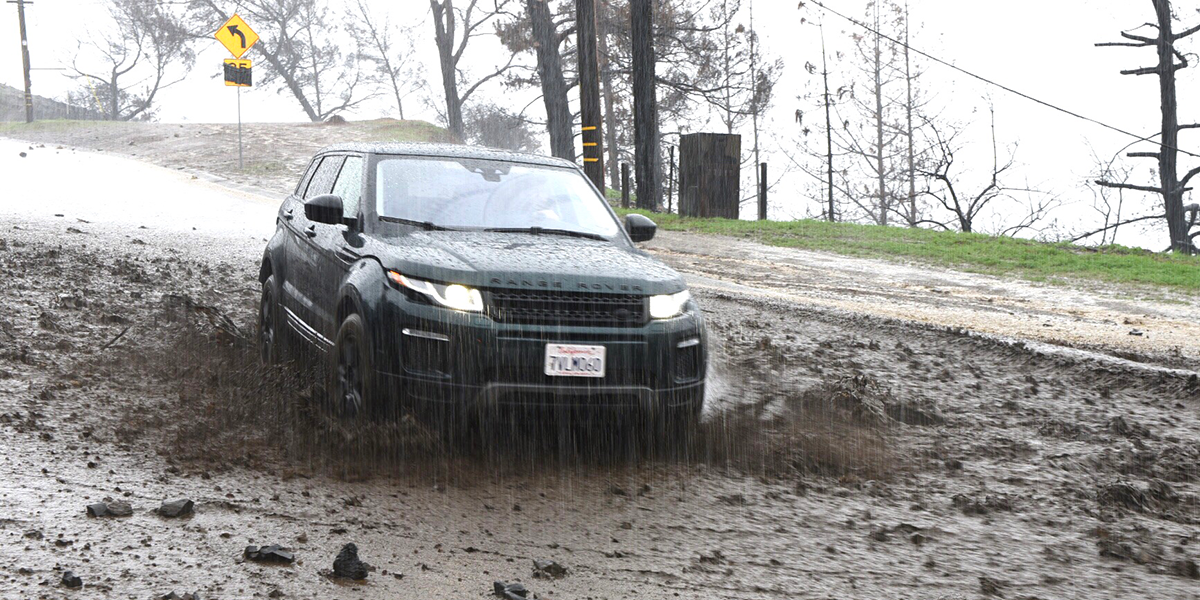
While a gentle drizzle might be a welcome sight in arid Southern California, the reality of heavy Los Angeles Rain can be far more complex and dangerous than many realize. Unlike steady rainfall in other regions, intense downpours in LA County often bring with them a unique set of hazards amplified by the local geography and urban landscape. From steep canyons and hillsides prone to erosion to vast swaths of land scarred by recent wildfires, the combination of topography and previous natural events makes even moderate rainfall a significant concern.
The primary dangers associated with substantial Los Angeles Rain include:
- Mudslides and Debris Flows: Areas with steep slopes, especially those denuded by wildfires, lose their natural vegetative anchors. When saturated by heavy rain, these hillsides can give way, sending torrents of mud, rocks, and debris hurtling down canyons and into neighborhoods. These flows are incredibly powerful and can occur with little to no warning, destroying homes and blocking roads.
- Flash Flooding: Los Angeles’s extensive concrete infrastructure, while managing typical urban runoff, can be overwhelmed by intense rainfall. Streets quickly turn into rivers, underpasses become death traps, and low-lying areas can flood rapidly. Flash floods are extremely dangerous, capable of sweeping away vehicles and people.
- Road Closures and Infrastructure Damage: Flooding, mudslides, and fallen trees can quickly render major roadways impassable, isolating communities and hindering emergency response. Power outages are also common during severe rain events, further complicating daily life and emergency communications.
Given these specific vulnerabilities, residents must not underestimate the potential impact of Los Angeles Rain. Proactive preparation and a clear understanding of official directives are not just recommended – they are essential for safety.
Decoding LA County's Evacuation Terminology: Warnings, Orders, and Shelter-in-Place
When heavy Los Angeles Rain is on the horizon, local authorities may issue various directives to ensure public safety. Understanding the nuances of these terms – Evacuation Warning, Evacuation Order, and Shelter-in-Place – is critical for every resident. These are not mere suggestions but carefully considered instructions based on real-time threats to life and property.
Evacuation Warning: Your Signal to Prepare and Potentially Depart
An Evacuation Warning signifies a potential threat to life or property in a specific area. It's the first and most crucial alert, providing residents with valuable time to prepare. When an Evacuation Warning is issued, it means:
- There is a significant likelihood that conditions could worsen, potentially requiring a mandatory evacuation.
- Those who require additional time to evacuate should leave immediately. This includes individuals with disabilities, the elderly, families with small children, and anyone with pets or livestock that need careful handling and transport.
- This is your cue to finalize your emergency preparations: gather your go-bag, review your family communication plan, secure your home, and monitor official news and emergency alerts intently.
Consider this your opportunity to act before panic sets in or routes become impassable. It’s better to leave early and safely than to be caught in a more urgent situation later. For a deeper dive into these crucial distinctions, we recommend reading LA Rain Safety: Decoding Evacuation Warnings, Orders, and Shelter-in-Place.
Evacuation Order: An Immediate and Lawful Directive to Leave
An Evacuation Order is the most serious directive and indicates an immediate and grave threat to life and property. When an Evacuation Order is issued during Los Angeles Rain, it means:
- You are in imminent danger if you remain in the affected area.
- This is a lawful order to leave, and the area will typically be closed to public access, often with law enforcement present to ensure compliance and prevent entry.
- Staying behind not only puts your life at extreme risk but also endangers the first responders who may have to rescue you.
Upon receiving an Evacuation Order, your priority is to leave immediately and safely. Follow designated evacuation routes, which may be different from your usual paths due to road closures or hazards. Notify your out-of-area contact of your departure and destination. Do not linger to gather non-essential items; your pre-packed go-bag should be your priority. For comprehensive details on mandatory evacuations, refer to Immediate Threat: Understanding LA County Evacuation Orders During Rain Events.
Shelter-in-Place: When Staying Put is the Safest Option
While less common during standard Los Angeles Rain events unless combined with other hazards (like a hazardous material spill or a very localized, non-flood threat), a Shelter-in-Place order instructs you to go indoors, shut and lock doors and windows, and prepare to self-sustain until further direction. This means:
- Seek the safest interior room, away from windows.
- Seal any gaps around doors and windows if the threat involves airborne contaminants.
- Have your emergency kit readily accessible, as you may need to remain indoors for an extended period without outside assistance.
- Stay informed through official channels, but avoid calling 911 unless you have an immediate life-threatening emergency.
Understanding when and why each of these directives is issued can significantly impact your safety and ability to respond effectively during a crisis.
Proactive Steps: Your Pre-Rainfall Preparedness Checklist for Los Angeles Rain
The best defense against the dangers of Los Angeles Rain isn't just reacting to warnings, but preparing long before the first drop falls. A comprehensive preparedness strategy can mitigate risks and ensure your safety.
- Monitor Weather and Alerts:
- Routinely check reliable weather sources like AccuWeather or the National Weather Service.
- Sign up for local emergency alerts such as NotifyLA (Los Angeles City) and Nixle (many LA County areas) to receive real-time updates directly to your phone.
- Keep a battery-powered or hand-crank radio tuned to local news stations (like KTLA) for information if power goes out.
- Assemble an Emergency "Go-Bag": This vital kit should be ready at a moment's notice.
- Water: At least one gallon per person per day for several days.
- Food: Non-perishable, easy-to-prepare items (3-day supply).
- First Aid Kit: With necessary medications, pain relievers, and wound care supplies.
- Documents: Copies of vital documents (ID, insurance policies, medical records) in a waterproof bag.
- Cash: ATMs may not work during power outages.
- Flashlight & Batteries: Or a headlamp.
- Portable Charger/Power Bank: For mobile devices.
- Whistle: To signal for help.
- Warm Clothing & Sturdy Shoes: Essential for unpredictable weather and difficult terrain.
- Personal Hygiene Items: Wipes, sanitizer, toiletries.
- Pet Supplies: Food, water, medications, leash, carrier for any animals.
- Important Contact Information: Written down, in case your phone is dead.
- Develop a Family Emergency Plan:
- Designate an out-of-area contact person everyone can check in with.
- Establish meeting points: one just outside your home in case of immediate evacuation, and one outside your neighborhood.
- Practice your plan, especially evacuation routes.
- Prepare Your Home and Property:
- Clear Gutters and Drains: Ensure rainwater can flow freely away from your home.
- Secure Outdoor Items: Bring in or tie down anything that could blow away or become a projectile.
- Sandbags: If you live in a flood-prone area, acquire and strategically place sandbags to divert water.
- Inspect Property: Look for signs of erosion, loose soil, or potential drainage issues around your home, especially if you live near hillsides or burn scar areas.
- Emergency Shut-off Valves: Know how to turn off gas, water, and electricity if instructed or necessary.
- Vehicle Preparedness: Keep your car's fuel tank at least half full and include a small emergency kit in your vehicle.
During the Storm: What to Do When Los Angeles Rain Hits Hard
Once the heavy Los Angeles Rain begins, proactive vigilance transitions to immediate action and adherence to safety guidelines.
- Stay Informed: Continue monitoring official emergency alerts, local news channels, and social media from reputable sources (e.g., LA County Sheriff, LAFD) for real-time updates on road closures, evacuation zones, and potential hazards.
- Avoid Flooded Roads: The phrase "Turn Around, Don't Drown" is critical. Never attempt to drive or walk through flooded streets. Even a few inches of moving water can sweep a vehicle away, and floodwaters can conceal dangerous debris, open manholes, or downed power lines. If your car stalls in water, abandon it immediately and seek higher ground.
- Beware of Downed Power Lines: Treat all downed power lines as live and extremely dangerous. Stay at least 30 feet away and report them to 911 and your power company (e.g., LADWP, SCE).
- Monitor for Signs of Mudslides/Debris Flows: If you live in or near a burn scar area or steep terrain, be acutely aware of your surroundings. Listen for unusual noises that might indicate moving debris, such as trees cracking or boulders knocking together. Watch for sudden increases or decreases in water flow in creeks or ravines, or a change in water color from clear to muddy. If you suspect a slide, evacuate immediately to higher ground.
- Stay Indoors: Unless evacuating, it's safest to remain indoors during severe rain. Avoid hiking, biking, or recreational activities near canyons, rivers, or storm drains, as conditions can change rapidly.
After the Rain: Recovery and Safety
Even after the heavy Los Angeles Rain subsides, dangers can persist. Safety during the recovery phase is just as important:
- Assess Damage Safely: Do not enter damaged buildings without ensuring their structural integrity. Be wary of hidden dangers like weakened foundations, damaged utilities, or mold growth.
- Beware of Contaminated Water: Floodwaters can be contaminated with sewage, chemicals, and other hazardous materials. Avoid direct contact if possible, and always wash your hands thoroughly after contact.
- Check on Neighbors: If safe to do so, check on elderly or vulnerable neighbors who might need assistance.
- Report Damage: Document property damage with photos and videos for insurance purposes and report significant infrastructure damage (e.g., road washouts, severe erosion) to local authorities.
- Stay Clear of Recovery Zones: Respect road closures and avoid areas where emergency crews are working.
Preparing for and responding to heavy Los Angeles Rain requires a combination of vigilance, knowledge, and proactive measures. By understanding the unique risks posed by our local environment and familiarizing yourself with LA County's evacuation terminology and emergency procedures, you empower yourself and your loved ones to stay safe. Your preparedness is not just for your own household; it contributes to the resilience and safety of our entire community.